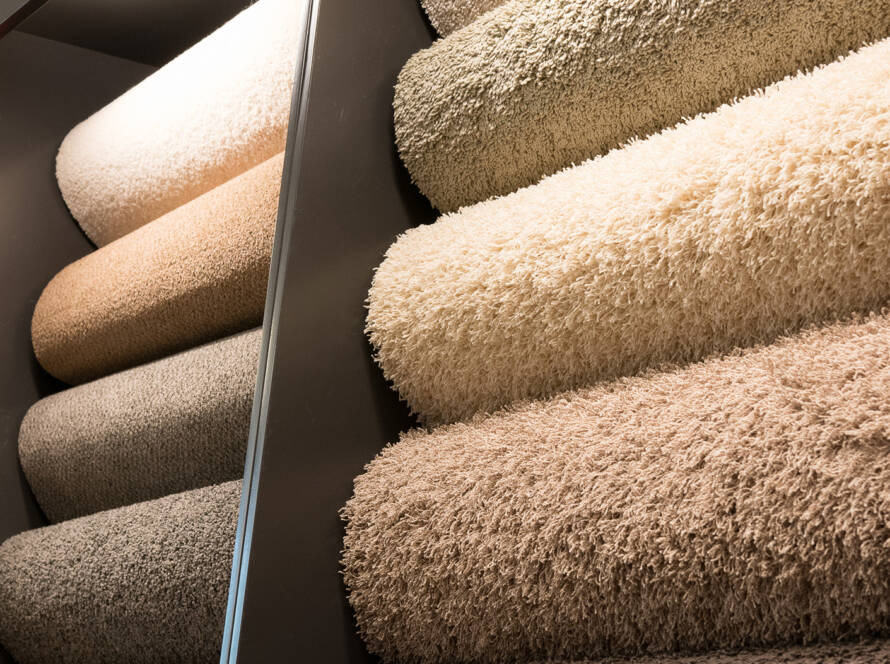
Wool Carpet vs Synthetic Carpet
Choosing between wool carpet and synthetic carpet is not simply a choice between natural and man-made fibres. The right answer depends on the room, daily foot traffic, pets, children, stain risk, budget and how long you expect the flooring to remain in place.

Wool has a warm, dense and naturally textured feel that suits homeowners who value comfort, appearance and a fibre made from a renewable source. Synthetic carpet is normally easier on the starting budget and can provide practical stain resistance, broad colour choice and dependable performance in busy homes.
Neither option wins in every room. A premium wool carpet can be a strong choice for a lounge or main bedroom, while a practical polypropylene or nylon carpet may suit a busy family room, rental property or area where food, muddy shoes and pets create a higher risk of marks.
At Cosmic Carpets in Leicester, we help customers compare carpet by how it will actually be used. Our carpet range includes choices for homes, rentals and commercial spaces, with free home measurements and local supply and fitting support.
Wool Carpet vs Synthetic Carpet: The Quick Answer
Choose wool carpet when natural texture, warmth, resilience and long-term appearance matter most. Choose synthetic carpet when price, stain resistance, easy routine care or a wide range of practical options is the main priority.
What Is Wool Carpet?
Wool carpet is made wholly or partly from sheep’s wool. The fibres are spun into yarn and then woven or tufted into the carpet surface. Pure wool carpets use wool as the main pile fibre, while wool-blend carpets combine it with fibres such as nylon to produce a particular balance of feel, price and wear performance.
Wool fibres have a natural crimp, which helps the pile spring back after pressure. This resilience is one reason a well-made wool carpet can retain a full appearance when the fibre, construction, underlay and room use are properly matched.
Wool also feels warm and comfortable underfoot. Its natural texture can give neutral shades more depth, so beige, cream, brown, charcoal and muted patterned carpets do not appear flat. This makes wool popular in lounges, bedrooms, dining rooms and traditional interiors.
The trade-off is cost and care. Wool usually has a higher purchase price than entry-level synthetic carpet. It also needs suitable cleaning products and prompt attention when spills occur. Strong alkaline cleaners, bleach and unsuitable stain treatments can harm wool fibres or alter the colour.
What Is Synthetic Carpet?
Synthetic carpet uses manufactured fibres rather than animal fibres. The main options found in domestic carpet ranges include polypropylene, nylon or polyamide, polyester and newer fibre systems used by individual manufacturers.
Synthetic carpets cover a broad market. Some are inexpensive carpets intended for spare bedrooms or short-term rental use. Others use dense construction, high yarn twist and strong backing to support heavy household or commercial traffic. The word “synthetic” therefore does not automatically mean cheap or low quality.
Polypropylene Carpet
Polypropylene is common in budget-friendly and family-focused carpets. It is often chosen because many ranges resist water-based stains and are available in a large choice of colours. It can suit bedrooms, playrooms and rental properties where initial cost and easy day-to-day care are important.
Its performance still depends on density and pile construction. A very soft, low-density polypropylene carpet may flatten faster in a busy hallway than a firmer, denser product. Buyers should assess the complete carpet rather than choosing by fibre name alone.
Nylon or Polyamide Carpet
Nylon carpet, also called polyamide in many UK product descriptions, is valued for resilience and wear performance. Dense nylon carpet can suit stairs, hallways, family rooms and commercial areas where the pile must cope with frequent movement.
Stain performance varies between ranges, so check whether the product has a treatment or construction suited to the intended room. A good-quality nylon carpet may cost more than basic polypropylene, but it can provide better appearance retention in demanding areas.
Polyester Carpet
Polyester carpet can provide a soft surface, clear colour and useful stain resistance. Some polyester products use recycled material, although the total environmental impact depends on the full manufacturing process, backing, transport, expected lifespan and end-of-life route.
It can work well in bedrooms and moderate-use rooms. For stairs and busy corridors, compare the pile density, twist and intended wear rating before making a decision.
Wool Carpet vs Synthetic Carpet Comparison
| Factor | Wool Carpet | Synthetic Carpet |
|---|---|---|
| Initial cost | Usually higher | Wide price range |
| Feel | Warm and naturally textured | Varies from firm to very soft |
| Resilience | Strong natural recovery | Depends on fibre and construction |
| Stain care | Needs prompt, suitable treatment | Many ranges resist common spills |
| Colour choice | Rich natural and dyed shades | Very broad range |
| Sustainability | Natural, renewable fibre | Varies by material and recycling route |
| Best fit | Comfort-led, long-term rooms | Budget, family and high-spill settings |
Compare Carpet Samples Before You Decide
Carpet fibres can feel very different when viewed in a room rather than on a screen. Cosmic Carpets can help you compare wool, wool-blend and synthetic choices against your room use and budget.
Call: 07763 971829Visit: Unit 1, 75 Hastings Road, Leicester, LE5 0LJ
Email: inquiries@cosmiccarpets.co.uk
Which Carpet Feels Softer?
Wool often provides a dense, warm and substantial feel. However, fibre type is only part of the answer. A soft synthetic carpet with a deep pile may feel more cushioned in the showroom than a firm wool loop carpet. Underlay also changes how both options feel after fitting.
For a bedroom, some homeowners prefer a deep synthetic carpet because softness and price matter more than resistance to constant traffic. In a lounge, wool may provide a firmer, more supportive feel that remains attractive over a longer period.
Do not press the surface once and make the full decision. Bend the sample, check the backing, separate the pile with your fingers and ask about density. A dense carpet normally provides more yarn per area and can offer better support than a loose, lightweight pile.
Which Carpet Is More Durable?
Wool is naturally resilient, but durability is not decided by fibre alone. Carpet construction, yarn twist, pile density, backing, underlay, fitting and maintenance all influence how long a floor covering performs.
A dense wool twist carpet can be a good long-term choice for a lounge, stairs or landing. Quality nylon can also perform strongly in busy settings. A low-density synthetic carpet may flatten sooner, while a well-built synthetic product can outlast a poorly matched wool carpet in a demanding room.
Check the manufacturer’s domestic or commercial rating and ask whether the carpet is approved for stairs. Stair treads receive concentrated pressure near the front edge, so a product that works in a spare bedroom may not be suitable for the staircase.
Practical rule: compare fibre, pile density, twist, backing, wear rating and underlay together. Choosing only by the words “wool” or “synthetic” can lead to the wrong carpet for the room.
Wool vs Synthetic Carpet for Stains and Spills
Synthetic carpet usually has the advantage when frequent spills are expected. Many polypropylene ranges resist common water-based marks, which makes them practical for households with younger children, pets or regular visitors.
Wool has a naturally protective surface structure that can give you time to blot some spills, but it should not be treated as stain-proof. Liquids must be addressed promptly. Blot rather than scrub, use a clean white cloth and select a product approved for wool carpet.
Harsh household mixtures can create a larger problem than the original mark. Bleach, strong detergent, coloured cloths, excessive water and aggressive rubbing may damage fibres, spread the stain or leave a visible patch.
For either carpet type, follow the care information supplied with the product. If the stain is large, oily, unknown or already dried, a qualified carpet cleaner is safer than repeated home treatment.
Which Carpet Is Better for Pets?
For homes with pets, synthetic carpet often provides the easier balance of price and stain care. A short, dense twist pile can be easier to vacuum and may show fewer tracking marks than a long, soft pile.
Loop carpets need careful thought where cats or dogs scratch the floor, because claws may catch an exposed loop. The risk depends on the carpet construction and the animal’s behaviour, but a cut pile is often the safer starting point.
Wool can still work well in a pet-friendly home when the owners value its feel and are prepared to maintain it. Choose a practical colour with tonal variation, use entrance mats, vacuum regularly and deal with accidents at once.
No carpet fibre prevents pet odour if moisture reaches the backing or subfloor. Correct cleaning and full drying matter more than simply masking the smell.
Which Carpet Is Better for Children?
Carpet provides a warmer, softer play surface than many hard floors. For children’s bedrooms and playrooms, the choice usually comes down to expected spills, budget and how soon the room may be redecorated.
Synthetic carpet may suit a playroom because many options are affordable and practical to maintain. Wool can suit a nursery or bedroom where natural fibre, comfort and long-term use have greater priority.
Colour selection also matters. Mid-tone carpet, heathered yarn and subtle pattern usually hide crumbs, lint and small marks better than a very pale, plain surface.
Wool vs Synthetic Carpet for Allergies
People often ask whether one carpet fibre is automatically better for allergies. The practical answer is that cleaning, moisture control and ventilation are crucial for every carpet.
Carpet can hold dust and particles until they are removed by vacuuming. A suitable vacuum with effective filtration, regular cleaning and prompt drying after any wet treatment help keep the carpet in good condition.
Anyone with a diagnosed sensitivity should assess the complete product, including pile fibre, backing, adhesives and underlay. Ask about product testing and installation materials rather than assuming all natural or all synthetic carpets behave in the same way.
Which Carpet Is Warmer and Quieter?
Both wool and synthetic carpet can make a room feel warmer and quieter than a hard surface. Wool is commonly valued for thermal comfort, while a dense synthetic carpet can also provide a warm surface.
Underlay makes a major difference. A suitable carpet underlay supports the pile, adds cushioning, reduces impact noise and contributes to insulation. The best underlay depends on the carpet construction, room traffic and whether underfloor heating is installed.
Upstairs bedrooms, stairs and flats may benefit from an underlay chosen for acoustic performance. Ground-floor lounges may place more importance on thermal comfort. Ask for the carpet and underlay specifications together rather than treating them as unrelated purchases.
Wool Carpet vs Synthetic Carpet Cost
Wool carpet normally costs more at the point of purchase because of the fibre, production process and market position. Synthetic carpet covers a wider price range, from low-cost polypropylene to stronger nylon and premium branded products.
The cheapest square-metre price does not always produce the lowest long-term cost. A low-grade carpet fitted in a busy hallway may need replacement sooner than a denser option chosen for that traffic level.
A fair quote should consider carpet, underlay, fitting, door bars, grippers, floor preparation, delivery and removal of old flooring. Two quotes may appear different because one covers the whole job while another lists only the carpet or fitting labour.
Cosmic Carpets offers a free home measurement and will beat any comparable written quote. This helps customers compare the full specification rather than choosing a headline price that leaves out essential items.
Is Wool Carpet Worth the Extra Cost?
Wool may be worth the higher cost when you plan to keep the carpet for years, value natural texture and want a high-quality finish in an important room. A well-chosen wool carpet can work particularly well in a lounge, main bedroom, dining room or staircase.
It may not be the best use of budget in a short-term rental, a room due for renovation or an area with repeated messy activity. In those spaces, a practical synthetic carpet may provide better value.
You can also mix materials across the property. There is no requirement to use one fibre in every room. Wool in the lounge and bedrooms, paired with practical synthetic carpet on selected floors, may produce a better total budget.
Which Carpet Is More Sustainable?
Wool is a natural, renewable and biodegradable fibre. These qualities can make it attractive to buyers who want to reduce reliance on fossil-fuel-based materials.
However, a complete environmental comparison should consider more than the fibre name. Farming, manufacturing, dyeing, backing, transport, maintenance, expected lifespan and disposal all contribute to the final impact.
Synthetic carpets are manufactured from polymers, although some ranges incorporate recycled content or are designed around recycling programmes. Availability of end-of-life recovery varies, so ask what happens to the full carpet, not only the face fibre.
Longevity matters. A floor covering that performs well for many years may reduce the material and installation involved in frequent replacement. Choose a carpet that suits the room, care for it correctly and avoid replacing it simply because the original product was poorly matched.
Wool Blend vs 100% Wool Carpet
A wool-blend carpet combines wool with another fibre to adjust price, resilience or manufacturing performance. A common blend may use wool as the main fibre with a smaller synthetic component, although exact percentages vary by product.
A blend can be a sensible middle ground for buyers who like wool’s natural feel but want a different price or performance profile. It should not be assumed that every blend is automatically stronger than every pure wool carpet. Construction and product quality still matter.
Check the fibre percentage, care instructions, stain treatment, wear rating and warranty. These details give a clearer picture than the general phrase “wool mix”.
Best Carpet Type for Each Room
Wool May Suit
- Main bedrooms where warmth matters
- Lounges intended for long-term use
- Dining rooms with controlled spill risk
- Stairs when the product has a suitable rating
- Homes prioritising natural fibres
Synthetic May Suit
- Children’s rooms and playrooms
- Rental properties with fixed budgets
- Pet-friendly family areas
- Spare rooms and short-term updates
- Spaces where easy stain care matters
Best Carpet for Stairs and Hallways
Stairs and hallways receive concentrated wear, so choose a carpet approved for heavy domestic use and stairs. Dense twist pile, quality wool, wool blend and resilient nylon can all be suitable when the construction is right.
Avoid choosing solely for softness. A very deep, loose pile may show flattening and tracking sooner in a narrow traffic lane. Firm underlay and professional stretching are also important for a stable finish.
Pattern and tonal variation can hide daily marks better than a plain pale colour. On stairs, check how the pattern will align around treads, risers and turns before ordering.
Best Carpet for Bedrooms
Bedrooms usually receive lighter traffic, so comfort can take priority. Wool provides a warm, premium feel, while soft polyester or polypropylene can provide comfort at a lower price.
A main bedroom intended to remain unchanged for years may justify better-quality wool or wool blend. A guest room may only need a practical synthetic carpet. Underlay should support the carpet without being so thick that doors drag or the carpet moves.
Best Carpet for Living Rooms
Living rooms need a balance of comfort, appearance and resilience. Wool can be an excellent choice for a formal or long-term lounge. A dense synthetic twist carpet may work better in a family room used for meals, play and regular entertaining.
Think about direct outdoor access, sunlight, furniture layout and how often people cross the same path. These details may be more important than the fibre label.
Best Carpet for Rental Properties
Landlords often need a carpet that is sensibly priced, neutral, easy to replace and suitable for routine tenant use. Synthetic twist carpet is common because it offers many colours and price levels.
Do not automatically buy the cheapest range. A weak carpet may flatten quickly, making the property appear tired between tenancies. A slightly denser product can provide better long-term value.
In kitchens, bathrooms and other high-spill areas, carpet may not be the most practical surface. Cosmic Carpets also supplies vinyl flooring and LVT flooring for rooms where easier wiping and moisture tolerance are priorities.
Wool and Synthetic Carpet for Commercial Spaces
Commercial flooring must be selected for the exact traffic level, cleaning schedule, fire classification, access needs and business setting. A reception, office, corridor and retail floor do not place the same demands on carpet.
Wool and wool blends can provide a high-quality appearance in hospitality, meeting rooms and executive areas. Commercial nylon and other synthetic systems may suit busy corridors, offices and modular carpet-tile installations.
Businesses should use products with the correct commercial rating and installation system. Cosmic Carpets can advise on commercial flooring for Leicester offices, shops and customer-facing spaces.
Planning Flooring for Several Rooms?
You do not need to force one carpet fibre across the whole property. Cosmic Carpets can help you compare wool, synthetic carpet, vinyl, LVT and laminate by room, traffic and budget.
We offer free home measurements, a local supply and fit service, and a promise to beat any comparable written quote.
Can Wool and Synthetic Carpet Be Used With Underfloor Heating?
Some wool and synthetic carpets can be fitted over underfloor heating, but the carpet and underlay must be assessed as one system. A high combined tog value can slow heat transfer and reduce heating efficiency.
Check the manufacturer’s guidance for the carpet, backing and underlay. Do not assume that a thin carpet is automatically suitable or that all foam underlays work with heated floors.
Tell the supplier and fitter about the heating system before ordering. The flooring specification, operating temperature and installation method must be compatible.
Does Wool Carpet Shed More Than Synthetic Carpet?
New wool carpet may release loose fibres during the early period after fitting. This is often called shedding or fibre loss and can reduce with routine vacuuming.
Shedding is different from the carpet unravelling. Pulling or cutting at the pile is not recommended. Use a vacuum setting suitable for the carpet and follow the manufacturer’s care instructions.
Synthetic carpet may release less visible fibre in the early weeks, although every product behaves differently. If fibre loss appears excessive, contact the supplier rather than changing cleaning methods repeatedly.
How to Clean Wool Carpet
Vacuum regularly with equipment suitable for the carpet construction. Deal with spills promptly by lifting solids carefully and blotting liquids with a clean white cloth.
Use only a stain treatment suitable for wool. Apply a small amount according to the instructions and avoid soaking the backing. Work from the outside of the mark towards the centre to reduce spreading.
Periodic professional cleaning can help remove soil that routine vacuuming cannot reach. Tell the cleaner that the carpet is wool so the correct chemistry, temperature and moisture level are used.
How to Clean Synthetic Carpet
Synthetic carpet also benefits from regular vacuuming and prompt stain treatment. Although some fibres tolerate water-based cleaning well, this does not mean every chemical is safe.
Check the care label before using bleach or strong detergent. Some solution-dyed polypropylene carpets may have specific cleaning claims, but those claims should not be applied to every synthetic carpet.
Avoid excessive water. Moisture that remains in the backing or underlay can create odour, slow drying and damage to the subfloor.
Common Buying Mistakes to Avoid
One common mistake is choosing carpet from a small online image. Colour changes under daylight, warm bulbs and cool LED lighting. Texture also appears different across a full room.
Another mistake is buying the softest carpet without checking its wear rating. Softness feels appealing at first, but stairs and hallways require resilience and firm support.
Buyers also compare carpet prices without checking underlay, fitting and accessories. A complete measured quote is more useful than a low material price with several costs added later.
Finally, do not reuse old underlay automatically. If it is flattened, stained, uneven or damaged, it can reduce the appearance and support of the new carpet.
How to Choose Between Wool and Synthetic Carpet
Choose wool when you value natural fibre, warm texture, resilience and a long-term finish. Choose synthetic carpet when stain care, starting price, colour range or practical replacement matters more.
Where the choice remains close, compare two or three samples in the actual room. View them during the day and evening, place them beside furniture and ask for a measured quotation. This gives you more useful information than a general fibre comparison alone.
Why Buy Carpet From a Local Leicester Supplier?
A local supplier allows you to compare physical samples, ask about room suitability and arrange measurement before ordering. This reduces the chance of buying too much, too little or the wrong construction.
Cosmic Carpets works with Leicester homeowners, landlords and businesses. The team can help you compare carpet fibres, underlay, fitting requirements and alternative flooring where carpet is not the best choice.
Working with one local team for supply and fitting also gives you a clear point of contact throughout the project.
FAQs About Wool Carpet vs Synthetic Carpet
These answers cover the questions customers most often ask before choosing a carpet fibre.
Is wool carpet better than synthetic carpet?
Wool is better for buyers who prioritise natural fibre, warm texture and long-term appearance. Synthetic carpet may be better where price, stain resistance and practical routine care have greater priority.
Which lasts longer, wool or synthetic carpet?
Lifespan depends on fibre, pile density, twist, room traffic, underlay, fitting and care. Dense wool and quality nylon can both perform well. A carpet poorly matched to the room may wear early regardless of fibre.
Which synthetic carpet is best?
Polypropylene can suit budget and stain-conscious households. Nylon or polyamide can provide strong resilience in busy areas. Polyester can offer softness and clear colour. The best choice depends on the room and product construction.
Is wool carpet suitable for pets?
Yes, wool can suit pet-friendly homes when owners vacuum regularly and treat accidents promptly. A dense cut pile may be more practical than an exposed loop where claws could catch.
Is synthetic carpet stain-proof?
No carpet is completely stain-proof. Many synthetic carpets resist common spills, but oils, dyes, chemicals and delayed cleaning can still leave marks. Always follow the product’s care guidance.
Is wool carpet hard to maintain?
Wool needs regular vacuuming, prompt blotting and wool-safe cleaning products. It is manageable for most homes, but unsuitable chemicals and aggressive rubbing should be avoided.
Which carpet is best for stairs?
Choose a dense carpet specifically rated for stairs. Quality wool twist, wool blend and resilient nylon can all work. The underlay should be firm, and professional fitting is important.
Does wool carpet cost more?
Wool usually costs more than entry-level synthetic carpet. Compare the full fitted price and expected use rather than the material price alone.
Can carpet be fitted over underfloor heating?
Some wool and synthetic carpets can be used with underfloor heating. The carpet and underlay must have a suitable combined tog rating and be approved for the heating system.
Should I choose wool or synthetic carpet for a rental?
Synthetic twist carpet is often practical for rentals because it offers broad price and colour choices. A denser product may provide better value than the cheapest option in frequently used rooms.
Does Cosmic Carpets provide free measurements?
Yes. Cosmic Carpets offers free home measurements for Leicester customers, along with local supply and fitting support.
Can Cosmic Carpets beat another carpet quote?
Cosmic Carpets offers to beat comparable written quotes. Make sure the quotes cover equivalent carpet, underlay, fitting and accessories so they can be compared fairly.
Choose Your Carpet With Local Fitting Support
Compare wool and synthetic carpet with help from Cosmic Carpets. We can measure your rooms, explain the practical differences and help you choose flooring that fits your home and budget.
Phone: 07763 971829Address: Unit 1, 75 Hastings Road, Leicester, LE5 0LJ
Email: inquiries@cosmiccarpets.co.uk
Why this guide adds fresh value: It moves beyond a simple natural-versus-man-made comparison by connecting fibre, construction, room use, underlay, cleaning, pets, heating, fitting and whole-project cost, helping readers make a practical choice for a real UK property.