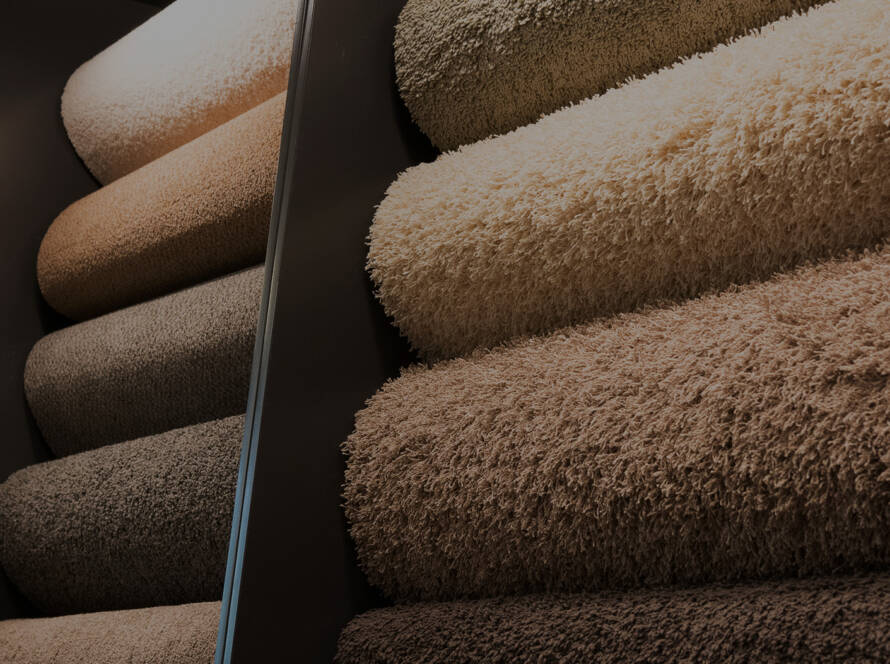
Best Carpet for Stairs
Stairs take more pressure than almost any other carpeted area in a home. The best carpet for stairs needs **durability**, **firm support**, **safe footing**, **strong fitting** and a style that still looks good when it wraps around every tread and riser.

Choosing a stair carpet is different from choosing carpet for a bedroom or lounge. A bedroom carpet may only handle light daily use, but stairs carry repeated footfall in a narrow line. Every step lands on a small surface area. The front edge of each stair, also called the nosing, takes extra pressure. This is why a soft but weak carpet can flatten quickly on stairs, even if it feels comfortable in a showroom.
At **Cosmic Carpets in Leicester**, we help homeowners choose stair carpets that match the way the home is used. Some families need a hardwearing carpet for children, pets and daily traffic. Some landlords need a practical neutral stair carpet for rental properties. Some homeowners want a premium runner that improves the hallway without making the stairs unsafe.
This guide explains what makes the **best carpet for stairs**, which pile types work well, which fibres to consider, how underlay affects safety and comfort, and how to choose a colour or pattern that suits your hallway. For fitted carpet options, view our carpets range and speak to our team for a free home measurement.
What Is the Best Carpet for Stairs?
The best carpet for stairs is usually a **dense twist pile carpet**, a **quality wool blend**, or a **resilient synthetic carpet** with a firm backing and a suitable stair rating. It should not be too thick, too loose or too slippery. It should hold its shape around the stair edge and work with a firm, good-quality underlay.
Why Stairs Need a Different Carpet
Stairs are high-impact areas. People do not walk across stairs in the same way they walk across a room. They step up, step down, turn, pause, carry bags, move furniture and often place pressure on the front edge of each tread. This repeated pressure can crush a weak pile and expose the backing sooner than expected.
A stair carpet also bends over the nosing. If the pile is too loose or the carpet is not dense enough, the backing may become visible on the curve. This can make the carpet look worn even when it is fairly new. A dense carpet helps reduce that risk because the fibres sit closer together and give better coverage when the carpet bends.
Safety also matters. A stair carpet should provide grip underfoot without creating too much bounce. Very thick, spongy carpet and underlay can feel unstable on stairs. The goal is comfort with firm support, not a deep sinking feel.
Need Stair Carpet Advice in Leicester?
Cosmic Carpets offers **free home measurements**, local supply and fit service, and a promise to beat any comparable written quote.
Call: 07763 971829Visit: Unit 1, 75 Hastings Road, Leicester, LE5 0LJ
Email: inquiries@cosmiccarpets.co.uk
Best Carpet Pile for Stairs
Carpet pile describes how the surface fibres are formed. For stairs, pile choice has a direct effect on wear, grip, cleaning and appearance. The best option is usually one that has good density, moderate pile height and strong fibre recovery.
Twist Pile Carpet
**Twist pile carpet** is one of the most popular choices for stairs in UK homes. The fibres are twisted together, which helps the surface cope with regular foot traffic. A dense twist pile can hide light tracking marks better than a smooth, plush carpet. It also gives a clean fitted look on stairs and landings.
Twist pile works well for busy family homes because it balances comfort and strength. It can be made from wool, synthetic fibres or blends. For stairs, density matters more than softness alone. A tighter, firmer twist usually performs better than a loose, deep pile.
Loop Pile Carpet
**Loop pile carpet** has uncut loops on the surface. It can be hardwearing when made well, but it needs careful thought on stairs. Some loop carpets can show the backing where they bend over the nosing. This is often called grinning or smiling.
Loop pile may also be less suitable in homes with pets, especially cats or dogs with sharp claws, because claws can catch on loops. If you like a loop texture, ask whether the product is suitable for stairs and check a sample around a stair edge before ordering.
Saxony and Plush Carpet
**Saxony carpet** and plush carpet can feel soft and smart in bedrooms, but they are not always the strongest choice for stairs. The pile can show footprints, shading and traffic lanes more clearly. A long, soft pile can also flatten faster on stair treads.
If you want a softer stair carpet, choose a dense product with a suitable stair rating. Do not rely on softness as the main buying point. Stairs need resilience first.
Cut and Loop Patterns
Cut and loop carpets create patterns by mixing cut fibres and looped fibres. They can add detail to a hallway and may hide minor marks better than a plain surface. Suitability depends on the construction. Some patterns work well on stairs, while others may not sit neatly around edges.
Pattern scale matters too. A large design can look broken when repeated across narrow treads. Smaller textures, herringbone effects, fine stripes and tonal patterns often suit stairs better.
Best Carpet Fibre for Stairs
Fibre affects comfort, resilience, stain care and cost. The best fibre for stairs depends on the home. A quiet adult household may choose wool for its feel and appearance. A busy family home may prefer a tough synthetic or wool-blend carpet for easier care.
Wool Carpet for Stairs
**Wool carpet** is valued for natural warmth, texture and fibre recovery. A good wool twist can be a strong choice for stairs when the carpet is dense and rated for stair use. Wool also gives neutral colours depth, which can suit hallways and landings.
Wool usually costs more than entry-level synthetic carpet. It also needs suitable cleaning products and prompt stain care. If you want a premium stair carpet and plan to keep it for years, wool can be worth considering.
Wool-Blend Carpet for Stairs
A **wool-blend carpet** can offer a practical middle ground. Many stair carpets use wool mixed with synthetic fibre to balance natural feel, resilience and price. The exact blend varies by product, so ask about fibre content and wear rating before buying.
Wool blends are often popular for stairs and landings because they can provide a firm, smart finish without feeling too delicate for daily use.
Nylon Carpet for Stairs
**Nylon**, also called polyamide in many UK product descriptions, is known for resilience. A dense nylon carpet can suit stairs, hallways and busy family areas. It can recover well from pressure when the construction is strong.
Nylon often costs more than basic polypropylene, but it may offer better performance in a demanding stair area. Always compare density, backing and warranty, not just fibre name.
Polypropylene Carpet for Stairs
**Polypropylene carpet** is often chosen for affordability and stain resistance. It can suit rental properties, children’s rooms and practical household areas. For stairs, choose carefully. A low-density polypropylene carpet may flatten quickly, while a better-quality twist can be more suitable.
If budget is the main concern, polypropylene can work, but avoid the thinnest or loosest options for stairs. A slightly better product may save money over time because it can hold its appearance longer.
Best Carpet for Stairs and Landing
Stairs and landings should feel connected. Many people fit the same carpet across both areas to create a neat flow. This works well when the carpet is strong enough for the stairs and comfortable enough for the landing.
The landing usually receives less concentrated pressure than the stair nosing, but it still handles daily movement. A dense twist pile is often a safe choice because it performs well in both areas. If the landing leads into bedrooms, choose a shade that works with the upper-floor décor.
If your hallway connects to hard flooring, consider how the colours and floor heights meet. Cosmic Carpets can help match stair carpet with laminate flooring, vinyl or LVT in nearby rooms.
Best Carpet for Stairs With Pets
Pets change the way a stair carpet performs. Dogs may bring in grit from outside. Cats may scratch or catch claws on looped fibres. Pet hair can collect on textured surfaces. The best carpet for stairs with pets is usually a dense cut pile or twist pile that is easy to vacuum and less likely to snag.
Mid-tone colours are usually more forgiving than very pale carpet. Heathered shades, fine flecks and subtle patterns can hide hair and small marks between cleans. Avoid very loose loops if your pets scratch or run quickly up and down the stairs.
Stain resistance matters, but no carpet is fully pet-proof. Deal with accidents quickly and avoid soaking the carpet or underlay. If moisture reaches the backing, odour can become harder to remove.
| Carpet Type | Stair Suitability | Best For |
|---|---|---|
| Dense twist pile | Excellent all-round option | Family homes, stairs and landings |
| Wool blend | Strong when stair-rated | Premium feel with practical wear |
| Nylon carpet | Good resilience | Busy stairs and high foot traffic |
| Polypropylene twist | Good if dense enough | Budget homes and rentals |
| Deep plush carpet | Use with caution | Bedrooms, not heavy stair traffic |
| Loose loop carpet | Check before buying | Homes without snag risk |
Best Carpet Colour for Stairs
Stair carpet colour should be practical as well as attractive. Very pale colours can show dirt and edge wear faster, especially near entrances. Very dark colours can show lint, dust and pet hair. Mid-tone shades often give the best balance for UK homes.
Popular stair carpet colours include warm beige, taupe, grey, charcoal, brown, oatmeal and mixed heather tones. These colours work well because they sit between light and dark. They also pair easily with painted bannisters, wooden handrails and hallway walls.
If your stairs are narrow, a lighter neutral can stop the space feeling closed in. If your hallway is large, a deeper tone can add warmth and make the stairs feel more grounded. Always view samples in the home because hallway lighting can change the colour strongly.
Patterned Stair Carpet and Herringbone Styles
Pattern can work very well on stairs. It can hide light marks, add shape to a plain hallway and make the stairway feel more finished. Stripes, small geometrics and herringbone-style carpets are popular because they guide the eye upward without overpowering the space.
A **herringbone carpet** can look smart on stairs when the scale is right. Smaller herringbone patterns usually suit stair treads better than large, wide designs. The fitter must align the pattern carefully so the design does not appear twisted or uneven from step to step.
If you prefer a bold pattern, use a sample on the actual stairs before ordering. Stand at the bottom and top of the stairs to see how the pattern reads from both angles.
Stair Runner or Fully Fitted Carpet?
A fully fitted stair carpet covers the full width of the stairs. It gives maximum softness underfoot and can make the staircase feel quieter. It is a practical choice for family homes where full coverage and warmth matter.
A stair runner leaves part of the stair edge visible on both sides. This can suit homes with attractive wooden stairs or hallways that need a more styled finish. A runner can also be paired with rods or binding for a traditional look.
If you use hallway rugs near a staircase, choose colours that sit well with the stair carpet or runner. The two do not need to match exactly, but they should not fight for attention.
Best Underlay for Stair Carpet
Underlay affects comfort, sound and carpet life, but stairs need a firmer underlay than many bedrooms. A very thick, soft underlay can create too much bounce and make the carpet feel less stable. A firm, dense underlay usually works better because it supports the carpet around the nosing.
For stairs, many fitters prefer a good-quality underlay that is not too thick. The exact choice depends on the carpet, subfloor and stair shape. Underlay should support the carpet without making the tread feel rounded or unstable.
Do not reuse old underlay without checking it. If it is flat, crumbly, stained or uneven, it can spoil the finish of the new carpet. New carpet on poor underlay can wear faster and may not feel as good as expected.
Cosmic Carpets tip: On stairs, firm support is usually better than deep softness. Ask about carpet and underlay together, not as separate choices.
How Thick Should Stair Carpet Be?
Thick carpet is not always better for stairs. If the carpet is too thick, it may be harder to fit neatly around stair edges. It may also create a rounded tread that feels less secure underfoot. A medium pile with high density is often better than a deep pile with low density.
The carpet should bend cleanly over the nosing without exposing too much backing. This is why sample testing matters. A good supplier or fitter can show how a carpet behaves when it is curved around an edge.
If you have steep stairs, narrow treads or a turned staircase, fitting becomes even more important. The carpet needs to sit tight without lumps, loose edges or movement.
Best Carpet for Elderly People and Safer Stairs
For elderly people or anyone who needs more secure footing, the best stair carpet should feel stable rather than overly soft. Avoid shiny, slippery surfaces, loose rugs on stairs or thick underlay that creates bounce. Good grip, clear edges and tidy fitting can make the stairs easier to use.
Colour contrast can also help. If the stair edge is too hard to see, some people may misjudge the step. A carpet with gentle texture or a visible change between tread and riser can improve confidence.
Professional fitting matters here. Loose carpet, lifted edges or badly fixed grippers can create trip risks. Always choose a carpet suitable for stair use and have it fitted correctly.
Best Carpet for Narrow Stairs
Narrow stairs need careful colour and pattern selection. A very busy design can make the stairway feel smaller. A plain mid-tone twist pile, small stripe or fine herringbone can work well because it adds interest without crowding the space.
If you want the stairs to feel wider, choose a lighter warm neutral and keep the walls simple. A runner can also work, but only if the visible side edges are in good condition and the runner width feels balanced.
In narrow homes, stair carpet often connects the entrance hall to the bedrooms. Choose a colour that suits both areas rather than focusing only on the hallway.
Best Carpet for Busy Family Stairs
Busy family stairs need a carpet that can handle shoes, school bags, children, pets and daily movement. A dense twist pile, strong wool blend or resilient synthetic carpet usually works well. Mid-tone colours and heathered yarns can hide everyday marks better than plain cream or black.
Families should also think about cleaning. If food, mud or pet accidents are likely, a practical synthetic carpet may be easier to maintain. If comfort and long-term appearance matter more, a wool blend may provide a better balance.
Add good entrance matting near the front door. Grit acts like sandpaper on carpet fibres. Keeping grit off the stairs can help your carpet stay fresher for longer.
Best Carpet for Rental Property Stairs
Rental property stairs need a sensible mix of price, durability and neutral style. A hardwearing synthetic twist carpet is often a practical choice. It gives landlords a fair balance between cost and appearance.
Avoid the cheapest carpet if the staircase is used daily. A low-density option may flatten quickly and make the property feel tired. A slightly stronger product can reduce the need for early replacement.
Neutral shades such as grey, beige, taupe and brown work well because they suit different tenants and wall colours. If the property has high turnover, choose carpet that is easy to clean and widely available for future matching.
Carpet vs Hard Flooring on Stairs
Carpet is still a strong choice for stairs because it adds softness, warmth and sound control. It can reduce noise from footsteps and make the stairway feel more comfortable in colder months.
Hard flooring can look smart, but it may feel louder and less forgiving underfoot. For homes where carpet is not suitable in nearby rooms, Cosmic Carpets can advise on vinyl flooring and LVT flooring for kitchens, bathrooms and living spaces. Stairs may still benefit from carpet or a runner for grip and comfort.
If your hallway has laminate or LVT and your stairs are carpeted, choose a stair colour that links both surfaces. This gives the entrance area a cleaner finish.
Commercial Stair Carpet
Commercial stairs need stronger specification than most domestic stairs. Offices, shops and shared buildings receive repeated use from staff, visitors and deliveries. The carpet must suit traffic level, cleaning needs and safety expectations.
For business premises, carpet tiles or commercial-grade carpet may be more suitable than standard domestic carpet. If you need flooring for an office, corridor or customer area, Cosmic Carpets can advise on commercial flooring options that match your site.
Commercial spaces should be measured and specified carefully. Stairs, landings, thresholds and entrance areas all need products that work together.
Get a Measured Stair Carpet Quote
Staircases need accurate measuring because every tread, riser, landing and turn affects the final amount of carpet. Cosmic Carpets can visit your home, measure the stairs and recommend a suitable product.
Phone: 07763 971829Address: Unit 1, 75 Hastings Road, Leicester, LE5 0LJ
Email: inquiries@cosmiccarpets.co.uk
How to Choose the Best Carpet for Your Stairs
A good stair carpet choice starts with the home, not the showroom. Think about how many people use the stairs each day. Check whether shoes are worn indoors. Consider pets, children, elderly relatives and how much light enters the hallway.
Then compare samples by density, pile type and fibre. Bend the sample over an edge to see how it looks around a stair nosing. Check whether the product is suitable for stairs. Ask what underlay is recommended and whether the warranty covers stair use.
Common Stair Carpet Mistakes
The first mistake is choosing carpet that is too soft and loose. It may feel pleasant underfoot, but it can flatten quickly on stairs. The second mistake is ignoring underlay. Old or unsuitable underlay can reduce support and spoil the finish.
Another mistake is choosing a colour that only looks good in shop lighting. Hallways often have less natural light than living rooms. A sample that looks warm in-store can appear dull or too dark at home.
The final mistake is poor fitting. Stairs need tight, accurate fitting. Loose carpet can move, wrinkle or wear unevenly. A good fitter will handle edges, grippers, joins and turns properly.
How Long Should Stair Carpet Last?
Stair carpet lifespan depends on carpet quality, fibre, density, underlay, fitting and daily use. A cheap carpet in a busy family home may show wear quickly. A dense stair-rated carpet with good underlay can last much longer when cared for properly.
Regular vacuuming helps because grit damages fibres. Clean spills quickly, protect entrance areas and avoid dragging heavy items along the stairs. If a stair carpet starts to loosen, fix it early before the movement causes extra wear.
How Much Does Stair Carpet Cost?
Stair carpet cost depends on the carpet, underlay, width, staircase shape, number of stairs, landings, door bars and fitting needs. A straight staircase is usually simpler to fit than stairs with turns, winders or several landings.
When comparing quotes, check what is included. A fair quote should include carpet, underlay, fitting, grippers, trims, removal if needed and any preparation. A low headline price may not cover the full job.
Cosmic Carpets offers free home measurements and will beat comparable written quotes. This helps you compare like for like instead of guessing from rough sizes.
Why Choose Cosmic Carpets for Stair Carpet in Leicester?
Cosmic Carpets is a local Leicester flooring supplier offering carpets, fitting support and home measurements. Our team can help you compare fibres, pile types, colours, underlay and alternative flooring options for nearby rooms.
We understand that stairs are not just another room. They connect the whole home, receive heavy use and create a first impression when someone enters your hallway. The right carpet can make the staircase safer, quieter and more comfortable while improving the look of the home.
Visit us at Unit 1, 75 Hastings Road, Leicester, LE5 0LJ, or call 07763 971829 to arrange support with your stair carpet project.
FAQs About the Best Carpet for Stairs
These answers cover common questions people ask before buying stair carpet.
What carpet is best for stairs?
A dense twist pile carpet, quality wool blend or resilient synthetic carpet is usually best for stairs. The carpet should be firm, hardwearing and suitable for stair fitting.
Is thick carpet good for stairs?
Very thick carpet is not always good for stairs. A medium pile with high density often performs better because it bends neatly around stair edges and feels more stable underfoot.
Is wool carpet good for stairs?
Wool carpet can be good for stairs when it is dense and rated for stair use. Wool blends are also popular because they combine natural feel with practical resilience.
Is polypropylene carpet suitable for stairs?
Polypropylene carpet can suit stairs if it is dense enough and made for regular foot traffic. Avoid very thin or loose polypropylene carpets for busy staircases.
What colour carpet is best for stairs?
Mid-tone colours such as taupe, beige, grey, brown and heathered neutrals are practical for stairs because they hide everyday marks better than very pale or very dark shades.
Are stair runners better than full carpet?
Stair runners are good when you want a styled look and visible stair edges. Fully fitted carpet gives more complete coverage, warmth and sound control.
Do stairs need underlay?
Most stair carpets benefit from underlay, but it should be firm and suitable for stairs. Very soft underlay can create too much bounce and reduce stability.
What carpet is best for stairs with pets?
A dense cut pile or twist pile carpet is often best for stairs with pets. Avoid loose loops if claws may catch, and choose a mid-tone colour that helps hide hair and light marks.
How often should stair carpet be replaced?
Replacement depends on quality, traffic and care. Replace stair carpet when it becomes loose, flat, threadbare, stained beyond cleaning or unsafe underfoot.
Does Cosmic Carpets measure stairs for free?
Yes. Cosmic Carpets offers free home measurements in Leicester and can provide a fitted quote for stairs, landings and nearby rooms.
Ready to Choose Your Stair Carpet?
Speak to Cosmic Carpets for free home measurement, local supply and fit service, and clear advice on the best carpet for your stairs and landing.
Phone: 07763 971829Address: Unit 1, 75 Hastings Road, Leicester, LE5 0LJ
Email: inquiries@cosmiccarpets.co.uk